

How to Care for a Diabetic Pet


If your pet has just been diagnosed with diabetes, you probably have a lot of questions. Will they need injections? What can they eat? Will life change? With November marking Pet Diabetes Month, there's no better time to talk about what a diabetes diagnosis really means for your pet.
The good news is, with a consistent routine and the right support, most diabetic dogs and cats go on to live full, happy lives. In this article, our veterinary team at Ambleside is breaking down what to expect and how to make day-to-day management as straightforward as possible.
Spotted changes in your pet's habits, or need support with a diabetic pet? Book a health check-up and let our vets in Walton-On-Thames help you understand what's next for your pet.
Book a diabetes checkSigns of diabetes in pets
Diabetes often develops gradually, so the early signs can be easy to miss. Look out for:
- Increased thirst and urination
- Increased appetite with weight loss
- Lethargy
- Cloudy eyes (more common in diabetic dogs)
Daily care for a diabetic pet
To start with, our veterinary team at Ambleside will provide a tailored dose of insulin (or medication in some cases for cats) for your pet's individual needs. Stabilisation after first coming onto treatment may take weeks or even months, however, you should see the main symptoms improve quickly.
Diabetes is typically managed through insulin therapy, dietary and weight control, a daily routine to keep blood sugars steady, and regular vet check-ups. For cats with type 2 diabetes, oral medication can also be a potential management option.
Diabetic dogs will need insulin for life, but things can be different for cats. With early treatment and the right diet, some diabetic cats go into remission and no longer need insulin.
Looking after your pet's insulin
Our vets in Walton-On-Thames explain that taking care of your pet's insulin is incredibly important, as without the proper handling and storage conditions it may not work as it should, leading to potential complications. Ambleside's team recommend:
- Keep insulin in the fridge at +2 to +8ºC, stored upright
- Mix gently before each injection, as directed by your vet
- Do not use if lumps or air bubbles remain after mixing
- Always note the recommended use-by period once opened, and replace it when due
When injecting your pet, it's usually done through their back, by lifting a fold of loose skin - pets new to injections may need to be held by somebody to keep them secure. Our team at Ambleside will explain the tailored insulin schedule and dosage for your pet.
Feeding a diabetic pet
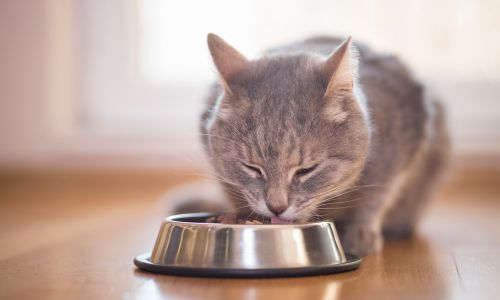
Most diabetic pets will need a change in diet - we often recommend switching to food that releases energy more slowly, which helps prevent spikes in blood sugar. For dogs, this is often a higher fibre diet, and for cats a high protein low carbohydrate diet. Changes to the diet combined with insulin can sometimes help a cat reach remission. We recommend feeding your pet the exact same meal, usually twice a day and timed around each injection.
Monitoring pet diabetes at home
At Ambleside, we may show owners how to check blood glucose at home using a meter, which is useful for checking for any changes. If you do notice anything different, flag it to our team right away by calling 01932 228915.
We also recommend monitoring your pet's eating, drinking and toileting habits, as insulin may need adjusting if any of these signals are increasing or decreasing in your pet. Weighing your pet regularly is also a simple way of monitoring any changes.
Contact us straight away if your pet seems weak, wobbly, trembling or unusually sleepy, as these can be signs that their blood sugar has dropped too low.
Keeping a quick note of your pet's weight and behaviours can make a real difference, as it helps our vets to know exactly what's going on and tailor your pet's treatment accordingly.
If your pet has diabetes, or if you suspect they might, book an appointment at our vet practice in Walton-On-Thames for peace of mind and to ensure your pet's health is managed effectively.
Book a diabetes check