

Keeping Pets Entertained When You’re Out: Tips from Vets in Walton-On-Thames


Summer is a wonderful time for pets and their owners across Surrey - but longer days and busier schedules can also mean more time spent home alone. Whether you have a dog, cat, or rabbit, the right enrichment can make a real difference to how they cope when you're out, helping to reduce boredom, support positive behaviour, and keep their minds active. Not every enrichment toy is safe to leave with a pet unsupervised though, so it's worth knowing which options suit your pet when you're out, and which are best kept for playtime together.
Our team in Walton-On-Thames are always happy to chat through enrichment ideas for your pet - or if you have concerns about their behaviour, book an appointment.
Why enrichment matters
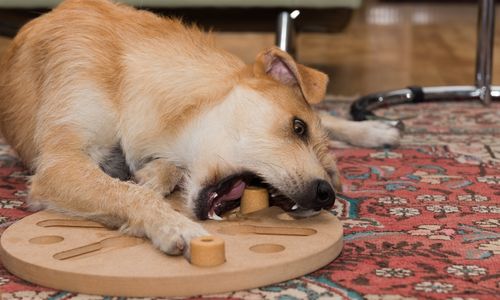
Pets who are under stimulated can develop boredom-related behaviours - from destructive chewing and excessive vocalisation in dogs, to over-grooming in cats, or repetitive circling in rabbits. Our veterinary team at Ambleside explain that these aren't signs of a naughty pet; they're signs of a pet who needs more mental and physical engagement. The good news is that small changes can have a big impact, and enrichment doesn't need to be expensive or complicated.
Ideas by pet type
Dogs
Adult dogs typically sleep for around 12-14 hours a day, so a dog who's had a good walk or play session before you leave will often simply settle and rest while you're out. For dogs who do need a bit of extra stimulation, safe options to leave unsupervised are more limited than many owners expect.
- Kongs: A Kong stuffed with kibble, mashed banana, or a small amount of wet food and frozen overnight is one of the few toys generally considered safe to leave with a dog once they're settled and used to it - our vets in Walton-On-Thames advise introducing it supervised first, to make sure your dog copes well with it.
- Snuffle mats: These tap into a dog's natural foraging instincts, encouraging them to use their nose to find hidden treats. These are usually fine to leave out once your dog is familiar with them - just check the mat now and then for wear.
- Puzzle feeders with small or detachable parts, squeaky toys, and other breakable solo toys are best kept for supervised play only as they may pose a choking risk.
Cats
- Rotating toys: Cats tend to lose interest in the same toy quickly, so rotating what's available helps maintain novelty and engagement. For solo play, we advise using sturdy, well-made toys without small parts that could be chewed off.
- Food puzzles and cardboard boxes: Simple DIY enrichment - the team at Ambleside suggest hiding treats in a cardboard box or toilet roll tube, as long as any tape or staples are removed first.
- Window perches: A comfortable spot near a window gives cats a front-row seat to the summer activity outside - birds, butterflies, and passers-by all make for excellent solo entertainment - always ensure your cat cannot fall out of the window.
- Food puzzle toys, and anything with small or removable pieces, are better used as a supervised activity rather than left with your cat while you're away.
Rabbits
- Tunnels and hideaways: Rabbits are natural burrowers and explorers - tunnels, cardboard dens, and new spaces to investigate provide great mental stimulation.
- Forage and scatter feeding: Rather than feeding from a bowl, try scattering hay and leafy greens across their space to encourage natural foraging behaviour.
- Chew toys: Rabbits need to chew to keep their teeth healthy - safe wooden chew toys and untreated willow are popular choices among rabbit owners in Surrey.
Tips for making enrichment work
Ambleside's team suggest a few things worth bearing in mind when introducing enrichment:
- Match the activity to your pet's personality and energy level - a high-energy dog needs different stimulation to a laid-back senior cat
- Introduce new toys and activities gradually, particularly for anxious pets, to avoid overwhelming them
- Rotate toys regularly to maintain interest - what feels fresh and exciting is far more engaging than something familiar
- Always supervise new enrichment activities initially to make sure they are safe for your individual pet
- Save puzzle feeders, squeaky toys, and anything with small or breakable parts for times when you're home to supervise, rather than leaving them with your pet unsupervised
If you're finding that boredom-related behaviours persist despite enrichment changes, it may be worth speaking to our team at Ambleside for tailored advice.
Our friendly team in Walton-On-Thames are always happy to help pet owners across Surrey find solutions that work for their individual pet. Book an appointment today.